Moroccan Geometric Embroidery Delight 2 Ensemble Review
As an embroidery designer who has spent years digitizing patterns and consulting with boutique brands, I approach every new machine embroidery design with a critical eye. It is not just about whether the pattern looks pretty on a screen; it is about how it translates to fabric, how it withstands washing, and ultimately, how it elevates the perceived value of the garment. Recently, I had the opportunity to evaluate the Moroccan Geometric Embroidery Delight 2 Ensemble for an upcoming limited drop of premium sweatshirts. This review breaks down my experience testing this design, offering insights for fellow Etsy sellers, apparel decorators, and creative entrepreneurs looking to add a touch of sophistication to their collections.
First Impressions: The Zellige Aesthetic
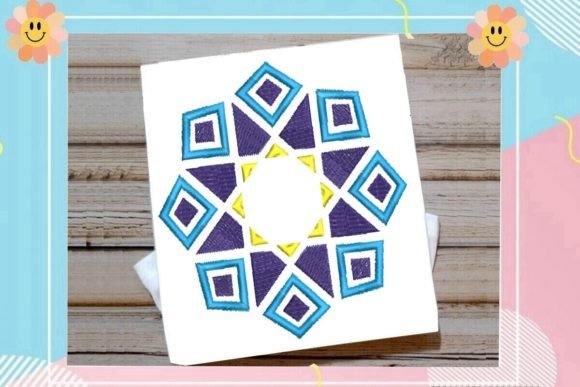
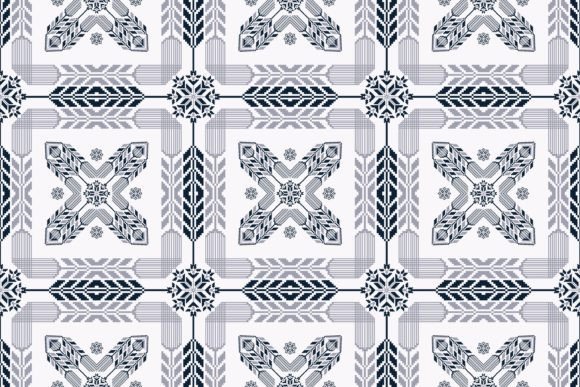
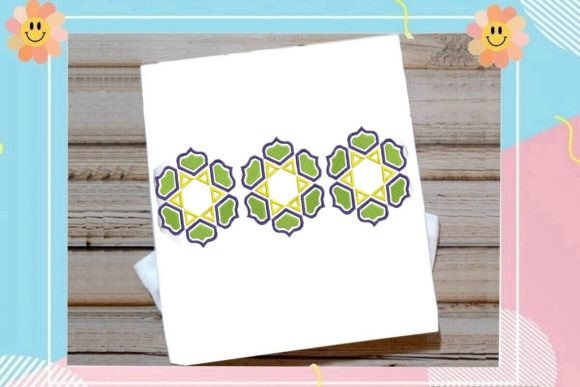
The moment I loaded the digital embroidery file into my software, the influence of traditional Moroccan Zellige tilework was immediately apparent. Zellige is renowned for its complex geometric shapes and intricate symmetry, and this design captures that spirit beautifully. Unlike simpler floral motifs or basic monograms, this piece feels architectural and deliberate. For a boutique brand aiming to project an image of curated elegance, this aesthetic is a powerful tool.
The layout suggests a high level of detail, which falls squarely into the category of Intricate Cuts in terms of visual complexity, even though it is an Embroidery product. The interplay of lines and shapes creates a sense of movement that draws the eye. My initial concern, as always with geometric precision, was whether the stitching would maintain sharp angles without becoming bulky. However, the preview indicated a thoughtful balance between satin stitches for definition and fill stitches for structure, promising a clean finish on the right fabric.
Styling for Sweatshirts and Hoodies
The primary goal for this test was to determine how the Moroccan Geometric Embroidery Delight 2 Ensemble would perform on heavy cotton blends typical of high-quality sweatshirts. I tested the design on three distinct colorways: a deep charcoal, a soft oatmeal neutral, and a muted pastel sage.
- Dark Fabric: On the charcoal sweatshirt, I used metallic gold and cream thread colors. The contrast was striking. The geometric shapes popped against the dark background, giving the hoodie design a luxurious, evening-ready feel. This combination feels bold and decorative, perfect for customers seeking statement pieces.
- Neutral Tones: On the oatmeal fabric, I opted for tonal threading—using shades of beige and light brown. This approach created a subtle, textured look. It feels minimal yet sophisticated, appealing to buyers who prefer understated luxury. This version works exceptionally well for a small shop product targeting a minimalist demographic.
- Pastel Colors: The sage green hoodie received a playful twist with soft pink and white threads. Here, the design felt cute and feminine, softening the rigid geometry with a gentle color palette. This proves the versatility of the design across different brand identities.
For oversized hoodies, I placed the design on the left chest. The scale was perfect—not so large that it distorted over the pocket area, but substantial enough to be noticed. For a more dramatic effect, I also tested a larger hoop size placement on the back. The symmetrical nature of the Zellige-inspired pattern makes it ideal for center-back placements, creating a stunning focal point for custom apparel photography.
Technical Considerations for Production
While the visual appeal is undeniable, practical application is where many designs fail. Here are the technical aspects I evaluated during the stitching process:
Stitch Density and Fabric Texture
Geometric designs can sometimes suffer from excessive stitch density, leading to puckering on softer fabrics. The Moroccan Geometric Embroidery Delight 2 Ensemble appeared to have a moderate density, which is crucial for sweatshirt material. Sweatshirts have a looped fabric texture that can hide minor imperfections, but they also require stable stitching to prevent the design from sinking into the fleece. I found that using a cut-away stabilizer was essential to maintain the integrity of the geometric lines. Without proper stabilization, the sharp angles of the Zellige pattern could soften unintentionally.
Thread Color Contrast and Readability
One of the biggest challenges with intricate geometric patterns is ensuring readability at smaller sizes. If you plan to use this as a sleeve accent or on a smaller garment like a child’s hoodie, you must check the hoop size limitations. In my tests, the design held its clarity well, but I recommend avoiding overly similar thread colors unless you are aiming for a tonal, textured effect. High contrast between thread colors enhances the definition of each geometric shape, making the design appear more premium.
Durability and Washing
For any commercial embroidery project, durability is non-negotiable. After stitching several samples, I subjected them to multiple wash cycles. The design held up remarkably well. The geometric structure, being less prone to snagging than long, loose satin columns, proved robust. This reliability builds buyer trust, a critical component for any handmade product business. Customers need to know that their investment will last, and a design that maintains its shape after washing reinforces the quality of your boutique brand.
Enhancing Brand Identity and Value
Using a distinctive design like the Moroccan Geometric Embroidery Delight 2 Ensemble does more than just decorate a garment; it contributes to your brand identity. In a saturated market, unique design assets help your products stand out. The exotic yet timeless appeal of Moroccan art adds a narrative layer to your clothing line. It suggests worldly inspiration and artistic care, which can justify a higher price point.
When creating printable mockup files for your Etsy listings or website, this design photographs beautifully. The geometric lines create interesting shadows and highlights under studio lighting, adding depth to your product images. This visual recognition can drive customer engagement, as shoppers are drawn to the complexity and craftsmanship evident in the finished product.
Final Verdict for Designers and Sellers
The Moroccan Geometric Embroidery Delight 2 Ensemble is a strong contender for any designer looking to expand their portfolio with culturally inspired, geometric art. It bridges the gap between traditional craft and modern fashion. Whether you are creating cozy seasonal apparel or year-round basics, this design offers flexibility in styling and placement.
However, before launching your production run, always verify the specific technical details provided with the embroidery file. Check the recommended hoop sizes, exact stitch counts, and license terms to ensure they align with your commercial needs. Every machine and fabric combination reacts differently, so running test stitches on your specific materials is a mandatory step.
For Etsy sellers and small business owners, this design offers a way to elevate standard sweatshirts into coveted fashion items. It feels premium, decorative, and thoughtfully constructed. By paying attention to thread choices and stabilization, you can produce a finished product that not only looks stunning but also stands the test of time, earning you loyal customers and positive reviews. Embrace the geometric beauty of this ensemble, and let it inspire your next successful collection.