Pirate Embroidery Design: A Practical Review
When I first pulled up the Pirate Embroidery Design on my screen, I wasn’t looking for flashiness. As a designer who spends hours tweaking stitch paths and testing tension on various fabrics, I look for reliability and charm in equal measure. This design immediately struck me as approachable. It has a playful energy that feels authentic to its theme without relying on overly complex shading or dense fill stitches that can puckering lightweight fabrics. For those of us running small shops or creating personalized gifts, finding a balance between visual appeal and stitchability is crucial.
First Impressions and Visual Personality
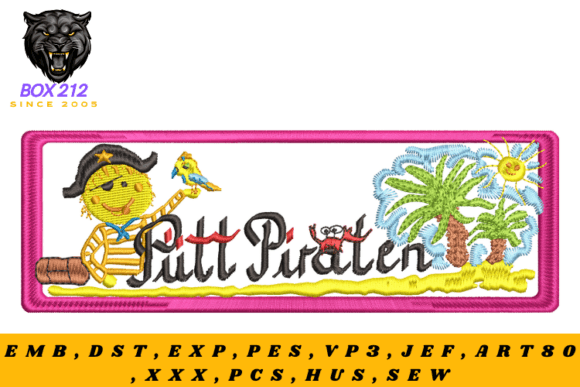
The mood of this piece is undeniably cheerful. It avoids the gritty, realistic aesthetic often associated with adult pirate themes, opting instead for a cute, stylized approach. This makes it an ideal candidate for children’s items. The layout is compact, which suggests it was designed with versatility in mind. When evaluating any new machine embroidery design, I always look at the silhouette first. Does it read well from a distance? In this case, yes. The shapes are distinct, ensuring that even if the thread colors blend slightly due to lighting or fabric texture, the overall image remains recognizable.
The detail level is moderate. It avoids tiny, fragile elements that might snag or break during washing, which is a common concern for kids' clothing. Instead, it uses bold lines and clear sections that translate well into satin and fill stitches. This thoughtful simplification is what separates a hobbyist sketch from a professional-grade embroidery file ready for commercial use.
Real-World Application: The Custom Tote Test
To truly understand how a design performs, you have to imagine it in a real project. Recently, I was preparing a batch of custom canvas tote bags for a local boutique. I needed a design that would pop against the natural beige fabric but wouldn’t require excessive stabilizer that adds bulk. I visualized the Pirate Embroidery Design centered on the front panel.
Because the design is specifically tailored for kids, it pairs beautifully with bright primary thread colors. However, I also tested it mentally against darker backgrounds. On a navy blue sweatshirt, using lighter threads for the main elements would create strong contrast, making the design stand out without looking washed out. This versatility is key for Etsy sellers who need to offer multiple colorway options without redesigning the entire asset.
If you are creating a personalized gift, such as a backpack or a lunchbox tag, this design’s compact nature is a significant advantage. It doesn’t demand a large hoop, allowing you to place it in tighter spaces where larger motifs would feel cramped or distorted. For a sweatshirt embroidery project, placing this on the left chest area creates a subtle, branded look that appeals to parents who want something cute but not overwhelming.
Stitching Performance and Fabric Considerations
While the design is charming, practical application requires caution regarding fabric choice. The description mentions it is perfect for clothing and backpacks, but we must consider the mechanics of stitching. If you are working with stretchy fabrics like jersey knits for baby clothes, using the correct stabilizer is non-negotiable. A cut-away stabilizer would likely provide the necessary support to prevent the stitches from pulling the fabric out of shape.
For textured fabrics like terry cloth towels or heavy canvas, the design’s bold lines work in your favor. Fine details often get lost in high-pile fabrics, but this design’s structure ensures clarity. However, be mindful of stitch density. If the file contains dense fill areas, test it on a scrap piece first. High density on thin fabric can cause perforation or stiffness, which is uncomfortable for a child wearing a shirt.
Curved surfaces, such as caps or hats, present another challenge. While this design could work as an embroidered patch applied to a cap, direct stitching on a curved surface requires careful hooping. Ensure the design fits within your standard hoop size without needing excessive re-hooping, which can lead to misalignment.
Commercial Viability and Brand Consistency
For craft business owners, the value of a design lies not just in its looks, but in its marketability. This Pirate Embroidery Design fits neatly into several lucrative niches: birthday gifts, nursery decor, and seasonal holiday items. Its playful nature makes it highly "giftible," a term we use to describe products that customers instinctively feel are ready to give away.
When creating printable mockups for your online store, this design offers great flexibility. It looks professional in digital previews because the lines are clean. This helps build customer trust, as buyers can clearly see what they are purchasing. Consistency in your design assets is vital for brand recognition. If your shop specializes in whimsical, child-friendly items, this design reinforces that brand identity.
However, always verify the licensing terms before selling finished items. Most digital embroidery files come with specific rules regarding commercial use. Ensure you have the right to sell physical products made with this file, especially if you are scaling up production for a small shop product line.
Designer Notes for Best Results
Before committing to a full production run, follow these practical steps to ensure quality:
- Test on Scrap Fabric: Always stitch a sample on the same material and weight you plan to use for the final product. This reveals any tension issues or thread breaks.
- Check Thread Contrast: View your design in black and white on your computer screen. If the elements blend together without color, you may need to adjust your thread palette for better definition.
- Inspect Small Details: Zoom in on the digitized file. Look for jump stitches that are too long or tiny satin columns that might not cover well. A good applique design or standard stitch file should minimize unnecessary jumps.
- Confirm Hoop Size: Measure the design dimensions against your machine’s smallest hoop. Even if it fits, ensure there is enough margin for clamping without stitching over the hoop edge.
- Evaluate Washability: For items like baby embroidery or kitchen towels, consider how the threads will hold up after multiple washes. Using high-quality polyester or rayon threads can enhance durability.
In conclusion, the Pirate Embroidery Design is a solid addition to any designer’s library. It balances aesthetic charm with technical practicality, making it suitable for a wide range of embroidery projects. Whether you are decorating a tote bag design for a craft fair or creating a unique holiday embroidery gift, this file offers the reliability needed for professional results. Just remember to respect the material constraints and always prioritize proper stabilization for the best finished product.