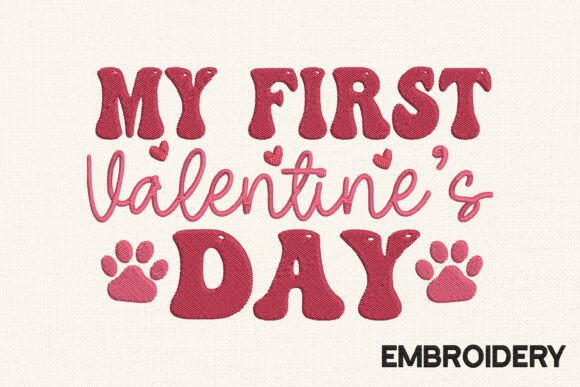
Review: My First Valentine’s Day Embroidery Design
As an embroidery designer who has spent countless hours hooped up in front of the machine, I know that not every digital file translates into a bestseller. When I first loaded My First Valentine s Day Embroidery into my software, I was looking for more than just cute shapes. I was evaluating its potential as a high-converting craft fair product and a reliable asset for my online shop. For those of us running small businesses, whether we are Etsy sellers or weekend market vendors, the difference between a design that sits idle and one that flies off the table often comes down to versatility and visual impact.
First Impressions and Aesthetic Appeal
The immediate impression of this design is one of softness and celebration. It does not scream for attention with aggressive boldness; rather, it invites the viewer in with a sense of grace. The description promises style, and visually, it delivers a balanced look that feels both modern and timeless. This is crucial because Valentine S Day markets are saturated with overly commercialized red and pink motifs. A design that feels handmade and thoughtful stands out against mass-produced alternatives.
From a designer’s perspective, the composition appears well-suited for a variety of fabric textures. It avoids the trap of being too intricate, which can get lost on textured materials, while maintaining enough detail to look premium. It feels decorative without being cluttered, making it an ideal candidate for buyers who appreciate understated elegance over loud statements.
Versatility Across Product Lines
The true test of any machine embroidery design is how it performs across different substrates. I evaluated My First Valentine s Day Embroidery against several common handmade products to determine its commercial viability.
- Tote Bags and Market Bags: This is perhaps the strongest application. The design scales beautifully as a central focal point on canvas or cotton totes. It transforms a simple bag into a giftable item, appealing to parents and grandparents looking for a keepsake.
- Apron Embroidery: Placed on the bib or lower corner, the design adds a touch of whimsy to kitchen wear. It works well here because it is not so dense that it stiffens the fabric excessively, preserving the drape and comfort of the apron.
- Tea Towel Embroidery: Kitchen linens are huge sellers at craft fairs. However, terry cloth and waffle weave present challenges. This design seems adaptable, but I would recommend using a cut-away stabilizer to prevent puckering on these looped fabrics.
- Embroidered Patches and Caps: For curved surfaces like caps, the design must be simplified. If the original file includes fine details, they may not stitch out cleanly on a structured cap. Testing on a scrap piece of twill is essential before committing to a full batch.
- Pillow Covers and Pouches: As a smaller accent on zippered pouches or throw pillows, the design retains its clarity. It adds value to these small shop products by making them feel personalized and special.
Production Practicality for Small Shops
For the busy creative entrepreneur, time is money. A design that requires constant thread breaks or excessive trimming is a bottleneck. My First Valentine s Day Embroidery appears to be optimized for efficient production. The flow of the stitching suggests a logical path that minimizes jumps, which is vital for batch production. When you are preparing for a holiday rush, you need a digital embroidery file that runs smoothly from start to finish.
Photography is another critical factor. In an era where online listings drive traffic, the design must photograph well. The contrast and spacing in this design allow it to pop in photos, even against neutral backgrounds. This makes creating printable mockup images for your Etsy listings much easier, as the design remains legible and attractive in thumbnail views.
Navigating Technical Challenges
While the design is versatile, there are careful-use notes every embroiderer should consider. Dense stitch areas can cause fabric distortion, especially on lightweight materials like silk or thin cotton. Always test the stitch density on a scrap piece of your intended fabric. If you are working with dark fabric, ensure your thread colors provide enough contrast. A pastel thread on black cotton may vanish, losing the charm of the design.
Additionally, pay attention to the hoop size. Ensure the design fits comfortably within your machine’s maximum hoop area with adequate margin for stabilization. If the design includes small lettering, verify that it remains readable at smaller sizes. Tiny details can merge together if the needle deflection is high or if the stabilizer is insufficient.
Enhancing Brand Consistency and Buyer Engagement
Using a cohesive design like My First Valentine s Day Embroidery helps build brand consistency. When customers see the same high-quality aesthetic across your tote bags, aprons, and patches, they begin to trust your brand. This trust translates into higher buyer engagement and repeat customers. The design acts as a signature element, signaling that your handmade product is crafted with care and attention to detail.
At a craft fair booth, this design serves as a strong visual anchor. It draws people in with its festive yet refined appearance. Once they stop to look, the quality of the stitching and the choice of fabric do the rest. It encourages tactile interaction, which is key to closing sales in person.
Designer Notes for Final Production
Before you launch this design into your commercial embroidery lineup, follow these practical steps:
- Test on Scrap Fabric: Never skip this step. Check for puckering, thread breaks, and color accuracy.
- Check Thread Contrast: Ensure the thread colors stand out against your chosen fabric background.
- Review Spacing: Confirm that elements are not too close together, which can cause thread buildup.
- Confirm Hoop Size: Match the design dimensions to your machine’s capabilities.
- Inspect Stitch Density: Adjust if necessary for delicate fabrics.
- Use the Right Stabilizer: Choose between cut-away and tear-away based on fabric stretch and texture.
- Create Real Mockups: Photograph actual stitched samples for your design assets and marketing materials.
- Compare Fabric Colors: Test on white, cream, pink, and red to see which yields the best result.
- Confirm Commercial Licensing: The description mentions ordering the design to make creations special, but always verify the specific license terms regarding the number of finished items you can sell.
In conclusion, My First Valentine s Day Embroidery is a robust addition to any designer’s library. It balances aesthetic appeal with production efficiency, making it a smart choice for Etsy seller accounts and physical market stalls alike. By understanding its strengths and respecting its technical requirements, you can create a line of craft fair product offerings that resonate with customers and boost your seasonal revenue. Celebrate the season with confidence, knowing your designs are built to sell.