Reviewing Southwest Embroidery Geometric Pattern
As an embroidery designer who has spent years digitizing for boutique brands, I approach every new machine embroidery design with a critical eye. It is not just about whether the lines are clean; it is about how the design translates from a digital screen to a tangible, wearable piece of art. Recently, I had the opportunity to evaluate the Southwest Embroidery Geometric Pattern for an upcoming limited-edition sweatshirt drop for a small online shop. The goal was simple: create a collection that feels authentic, premium, and deeply rooted in rustic bohemian aesthetics without sacrificing modern wearability.
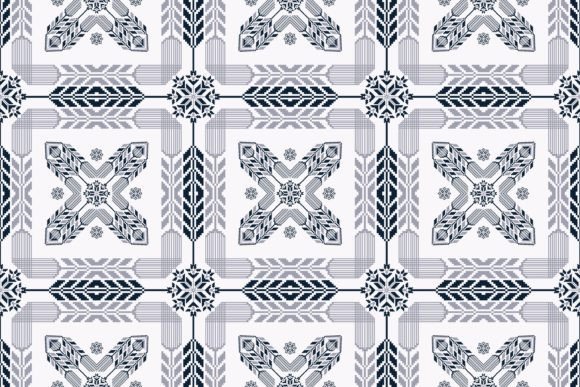
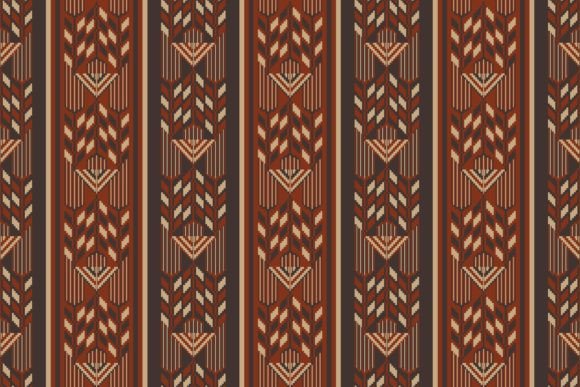
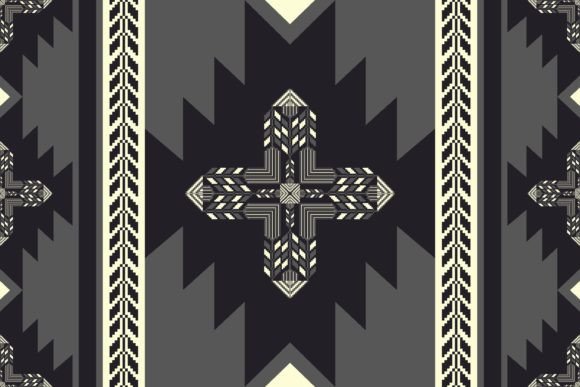
The first impression of this embroidery file is striking. The vector Aztec southwestern embroidery seamless pattern offers a rhythmic balance between complexity and clarity. For a designer, this is crucial. Too much detail can get lost on thick fabrics, while too little can look amateurish. This design strikes a sweet spot, offering enough geometric intricacy to catch the eye while maintaining the structural integrity needed for commercial apparel use. The ethnic geometric pattern use for fabric, textile, home decoration elements suggests versatility, but my focus here is strictly on high-end apparel.
Visual Impact on Neutral and Dark Fabrics
When planning a boutique brand collection, fabric choice dictates the success of the embroidery. I tested the visual potential of the Southwest Embroidery Geometric Pattern against several common sweatshirt materials. On neutral sweatshirts, such as oatmeal, sand, or soft gray, the design exudes a calm, rustic charm. The geometric lines complement the natural tones, creating a look that is both minimal and decorative. It feels organic, appealing to customers who value handmade product authenticity over loud branding.
However, the true test of any bold design is its performance on dark fabric. When simulated on charcoal or deep navy fleece, the pattern requires careful selection of thread colors. High-contrast threads, such as cream, gold, or terracotta, make the Aztec motifs pop with impressive clarity. The design feels strong enough for commercial embroidery because the lines are distinct. There is no ambiguity in the shape, which ensures that the finished product looks professional rather than messy. For pastel colors, the design takes on a softer, more playful character. It becomes less about bold statement and more about subtle texture, perfect for spring-themed hoodie design releases.
Placement Strategies for Hoodies and Sweatshirts
One of the most exciting aspects of working with this pattern is its adaptability across different garment placements. For oversized hoodies, a large back design using the seamless nature of the pattern can create a stunning focal point. The repetitive geometric elements allow for scaling without losing resolution, provided you check the specific limits of your digital embroidery file. A full-back application turns a basic cozy seasonal apparel item into a statement piece that commands attention in lifestyle product photography.
For a more understated approach, chest placement on a standard crewneck works beautifully. Here, the design acts as a subtle badge of quality. It is small enough to be cute and feminine yet detailed enough to showcase the skill involved in the stitching. I also experimented with sleeve accents. Running a narrowed version of the pattern down the forearm adds a unique touch that distinguishes a small shop product from mass-produced retail items. This level of customization is what drives customer engagement and builds brand identity for Etsy sellers and independent designers alike.
Technical Considerations for Production
From a technical standpoint, there are several factors to consider before hitting the start button on your machine. First, stitch density is paramount. Sweatshirt fabric is thick and plush. If the density is too low, the fabric may show through the stitches, ruining the crispness of the geometric lines. If it is too high, the fabric may pucker or become stiff. While the product description does not specify the exact stitch count, experienced designers know to test run samples on scrap fabric identical to their final material.
Stabilizer choice is equally critical. For heavy fleece or terry cloth, a cut-away stabilizer is often recommended to provide long-term support and prevent distortion after washing. This ensures washing durability, a key concern for buyers investing in premium custom apparel. Additionally, hoop size must be considered. If you plan to scale the design up for a back print, ensure your machine’s hoop size can accommodate it without requiring complex re-hooping techniques that might misalign the pattern.
Another practical concern is small-size readability. If you intend to use this as a small logo on the chest or cuff, verify that the intricate details of the vector Aztec southwestern embroidery do not merge together. Sometimes, simplifying the design or increasing the spacing between elements is necessary for smaller applications. Always check the license terms and file formats included in the download. Knowing whether you have access to multiple formats like PES, DST, or JEF ensures compatibility with your specific embroidery machine.
Elevating Brand Value Through Design
Using a high-quality design like the Southwest Embroidery Geometric Pattern directly impacts product value. In the world of handmade business owners and creative entrepreneurs, perception is reality. A well-executed embroidery job signals quality, care, and attention to detail. It builds buyer trust. When customers see clean, consistent stitching with vibrant thread colors, they perceive the item as worth the higher price point associated with boutique merchandise.
This design also aids in visual recognition. The distinct ethnic geometric pattern creates a signature look for your brand. Over time, customers begin to associate that specific aesthetic with your shop. This is invaluable for Etsy listings where standing out in a crowded marketplace is challenging. By incorporating this pattern into your design assets, you create a cohesive collection that tells a story. Whether used for printable mockup previews to gauge interest before production or as the final stitched element, the design serves as a powerful tool for marketing.
Furthermore, the rustic bohemian style appeals to a specific demographic that values artisanal quality. By leveraging this trend, you tap into a market that appreciates the effort behind each handmade product. The design is not just decoration; it is a communication of values. It says that the brand cares about aesthetics, culture, and craftsmanship. This emotional connection drives repeat business and fosters a loyal community around your brand.
Final Thoughts for Designers and Sellers
In conclusion, the Southwest Embroidery Geometric Pattern is a versatile and robust addition to any designer’s library. It bridges the gap between traditional ethnic motifs and modern apparel trends. For small clothing brands and apparel decorators, it offers the flexibility needed to create diverse products, from bold statement hoodies to subtle, elegant sweatshirts. The key to success lies in thoughtful execution: choosing the right fabric texture, optimizing thread colors for contrast, and ensuring proper stabilization.
Remember, the quality of the final output depends heavily on your preparation. Test your tension, select the appropriate needle for your fabric thickness, and always review the design assets thoroughly before full-scale production. By treating this digital embroidery file with the respect it deserves, you can create pieces that not only look beautiful but also stand the test of time. For any creative entrepreneur looking to elevate their next collection, this pattern provides the perfect foundation for creating memorable, high-value custom apparel.