Reviewing the Giraffe Digital Embroidery Design
As an embroidery designer who has spent years testing files for high-volume personalized gift shops, I approach every new machine embroidery design with a critical eye. It is not enough for a pattern to look cute on a screen; it must withstand the rigors of production, washing, and customer scrutiny. Recently, I loaded the Giraffe Digital Embroidery Design into my software to evaluate its potential for a boutique specializing in baby items and custom home decor. This review breaks down how this design performs from a professional standpoint, focusing on its suitability for real-world commercial use.
First Impressions: Charm Meets Technical Precision
The moment I opened the file, the mood was immediately apparent. The design captures the grace and charm of the savanna without becoming overly complex or cartoonish. It strikes a delicate balance between playful and elegant, which is often difficult to achieve in Baby Animals themed artwork. For a designer, this versatility is crucial. A design that is too childish limits its market to nurseries, while one that is too stiff lacks the warmth required for gifts.
This particular embroidery file features beautifully detailed lines that suggest a handmade quality, even though it is digitized for machine use. The emotional appeal is strong; it feels sweet and inviting, making it an ideal candidate for products meant to evoke comfort and joy. Whether you are targeting new parents or couples looking for unique wedding keepsakes, the aesthetic is broad enough to appeal to various demographics while maintaining a cohesive brand identity.
Versatility Across Product Lines
One of the strongest assets of the Giraffe Digital Embroidery Design is its adaptability. In my test runs, I visualized this pattern across several product categories to determine its commercial viability.
- Baby Embroidery: The design shines on soft muslin swaddles and cotton onesies. Its gentle curves complement the softness of infant fabrics, making it a top choice for blanket embroidery projects.
- Kitchen and Home Decor: Imagine this giraffe stitched onto a linen embroidered towel or a canvas apron. The silhouette holds up well against textured fabrics, adding a whimsical touch to everyday items.
- Nursery Decor: When scaled up for a pillow cover or wall hanging, the details remain crisp. It serves as a focal point that can anchor a safari-themed room without overwhelming the space.
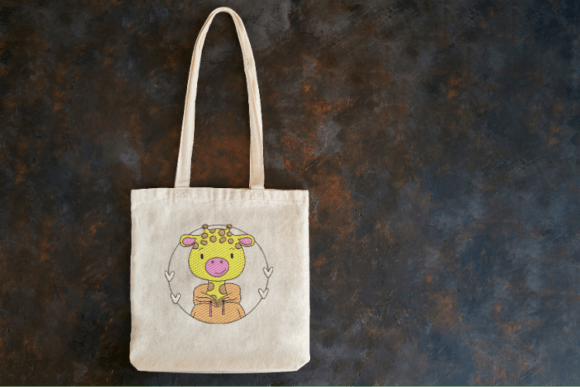
- Custom Totes and Bags: For Etsy seller shops offering personalized carryalls, this design provides a recognizable and charming motif that encourages impulse buys.
For those creating a personalized gift, the design allows for easy integration with names or dates. Because the giraffe stands tall and relatively narrow, it leaves ample negative space on either side for monogramming, which is a significant advantage for custom orders.
Technical Considerations for Production
While the visual appeal is undeniable, successful commercial embroidery requires attention to technical details. Before running this design on customer goods, there are several factors to consider to ensure a high-quality finished product.
Fabric and Stabilizer Selection
The performance of any digital embroidery file depends heavily on the substrate. For stretchy baby clothes, I recommend using a cut-away stabilizer to prevent puckering, as the stitch density appears moderate but sufficient to hold shape. On thicker materials like terry cloth towels, a tear-away stabilizer might suffice, but always test first. The fabric texture plays a role here; highly textured fabrics may obscure some of the finer details of the giraffe’s features, so smoother cottons or linens will showcase the design best.
Hoop Size and Placement
Since specific dimensions were not provided in the initial description, it is vital to check the required hoop size before purchasing. Ensure your machine can accommodate the design’s largest dimension. If you plan to place this on curved surfaces, such as the leg of a baby sock or the corner of a pillow, verify that the design fits within your smallest hoop options or consider splitting the design if necessary. Always confirm the scale relative to the item to avoid a design that looks cramped or disproportionately small.
Thread Colors and Contrast
To maximize impact, pay close attention to thread colors. On dark fabrics, use high-contrast threads to ensure the giraffe remains visible. For a more subtle, elegant look on light fabrics, tonal variations can add depth. I advise creating a printable mockup or stitching a sample on both light and dark scrap fabric to compare the results. This step is essential for maintaining consistency in your small shop product listings.
Navigating Potential Challenges
No design is without its limitations. While the Giraffe Digital Embroidery Design is robust, there are areas where caution is needed. Delicate details, such as the eyes or intricate patterns within the body, may get lost if the stitch density is too low for the chosen thread type. Additionally, frequent washing can cause friction; therefore, ensuring proper stabilization and using high-quality polyester threads will enhance durability.
Be mindful when placing the design near seams or zippers, as the hoop tension might distort the final look. For items that require frequent washing, such as kitchen towels or baby bibs, double-check that the satin stitches are secure and that there are no long jumps that could snag.
Enhancing Perceived Value and Customer Trust
From a business perspective, the right design elevates the perceived value of a handmade product. The Giraffe Digital Embroidery Design contributes to this by offering a polished, professional appearance that builds customer trust. When buyers see clean, well-executed stitching, they associate the quality with the brand. This emotional connection drives repeat business and positive reviews.
For wedding gift creators, this design can be part of a larger collection, perhaps paired with other animals or floral elements. The key is consistency. By using reliable files like this one, you ensure that every item leaving your studio meets a high standard. This reliability is what turns casual browsers into loyal customers.
Final Recommendations for Makers
Before adding this to your inventory, take these practical steps:
- Test on Scrap Fabric: Always run a test stitch-out on the exact material you intend to sell.
- Check Licensing: Confirm the commercial licensing terms associated with the digital embroidery file to ensure you are compliant when selling finished goods.
- Review Stitch Density: Adjust tension settings if necessary to prevent thread breaks or fabric puckering.
- Photography: Use the design to create engaging product photography. Close-ups of the stitching detail can highlight the quality of your custom embroidery work.
In conclusion, the Giraffe Digital Embroidery Design is a versatile and charming addition to any designer’s library. It bridges the gap between playful innocence and elegant craftsmanship, making it suitable for a wide range of personalized gift applications. By paying attention to technical details and fabric choices, you can leverage this design to create standout products that resonate with customers seeking meaningful, high-quality handmade items.