Sleeping Owl Embroidery Design Review
As an embroidery designer who has spent years digitizing patterns for small businesses, I approach every new machine embroidery design with a critical eye. It is not enough for a pattern to look pretty on a screen; it must perform under the needle, survive industrial washing, and elevate the brand identity of the client using it. Today, I am reviewing the Sleeping Owl Embroidery Design, a piece that sits within the Birds category but offers far more than simple avian representation. This review is tailored for shop owners, apparel decorators, and handmade brands looking to understand how this digital embroidery file translates into real-world commercial success.
First Impressions and Visual Personality
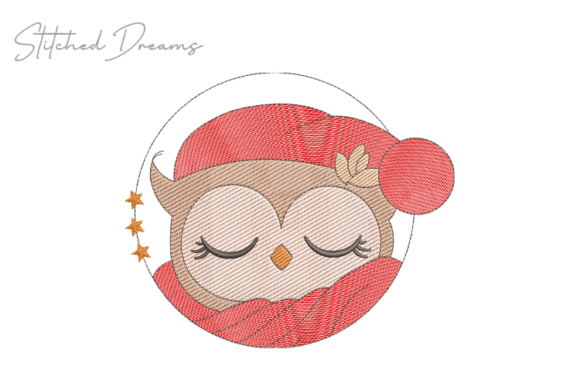
The initial glance at the Sleeping Owl Embroidery Design suggests a blend of serenity and professionalism. While the product description mentions a "Sleeping Girl," the title and categorization firmly place this as an owl-themed asset, likely interpreting the serene beauty of rest through the wise, quiet nature of the bird. For a business owner, this duality is powerful. The design feels elegant yet approachable, striking a balance between rustic charm and modern minimalism. It does not scream for attention with aggressive boldness; instead, it invites the viewer in with a sense of calm. This makes it an ideal candidate for brands that want to project trustworthiness, comfort, and high-quality craftsmanship without appearing overly corporate or stiff.
For boutique owners and Etsy sellers, the visual personality of this design is a significant asset. It avoids the cartoonish trap that many animal motifs fall into, opting instead for a delicate portrayal that suggests premium quality. Whether you are running a creative studio, a local bakery, or a florist shop, this aesthetic aligns well with brands that value handmade presentation and organic growth.
Real-World Applications for Small Business Merch
When evaluating a design for small business merch, versatility is key. The Sleeping Owl Embroidery Design shines in several specific applications where subtlety enhances value rather than detracting from it.
- Embroidered Patches: This is perhaps the strongest use case. A well-digitized owl design works beautifully as a woven or embroidered patch. It can be applied to denim jackets, canvas bags, or even laptop sleeves. The compact nature of a sleeping owl allows for intricate detail without requiring a massive footprint, making it perfect for chest-sized patches.
- Staff Uniforms and Aprons: For cafes and bakeries, apron embroidery is a subtle way to brand staff without overwhelming the customer. Placing the sleeping owl on the upper left chest of an apron creates a professional, unified look. It signals attention to detail and care, qualities customers associate with good food and service.
- Cap Embroidery: Caps are tricky due to the curved surface and limited space. However, a simplified version of this design could work exceptionally well on the front panel of a dad hat or trucker cap. It serves as a recognizable logo accent that builds brand recognition over time.
- Tote Bag Design: Canvas tote bags are a staple for retail shops. The Sleeping Owl Embroidery Design provides a focal point that turns a generic bag into a desirable handmade product. It appeals to customers who appreciate art and nature, increasing the perceived value of the item.
Technical Considerations and Production Notes
While the aesthetic appeal is strong, any experienced embroiderer knows that technical execution determines the longevity of the finished product. Here are critical factors to consider before running this digital embroidery file on your machine.
First, assess the stitch density. Designs featuring feathers or soft textures often require careful balancing. If the density is too high, the fabric may pucker, especially on lighter materials like cotton tees. If it is too low, the backing may show through, ruining the premium look. I recommend testing the design on a scrap piece of the exact fabric you intend to use. Pay close attention to the thread colors chosen. An owl design relies heavily on contrast to define its shape. Ensure your thread palette offers enough distinction between the body, wings, and background to maintain clarity, especially if the design is scaled down.
Second, consider the hoop size limitations. While the design may be available in multiple formats, always confirm the maximum dimensions before purchasing. For small items like pocket logos or sleeve details, you need a version that retains integrity at a smaller scale. Complex outlines can merge together if the design is shrunk too much, so inspect the spacing of the stitches in your preview software.
Third, do not neglect the stabilizer. For items that will undergo frequent washing, such as staff uniforms or baby clothes, a cut-away stabilizer is often necessary to prevent distortion. For decorative items like wall hangings or occasional-use tote bags, a tear-away might suffice, but always prioritize stability to maintain the professional appearance of the commercial embroidery.
Brand Identity and Customer Trust
Incorporating the Sleeping Owl Embroidery Design into your product line does more than just add decoration; it strengthens your brand identity. Consistency in visual assets helps customers recognize your business instantly. When a customer sees the same high-quality owl emblem on your packaging, your website, and your physical merchandise, it builds trust. It signals that you are an established entity that cares about every touchpoint of the customer experience.
Furthermore, this design supports the narrative of the handmade product. In an era of mass production, embroidered items stand out. They convey effort, skill, and uniqueness. Using this design on customer gifts or event merch can create an emotional connection, turning a one-time buyer into a loyal advocate for your brand.
Practical Designer Advice for Implementation
Before committing to a large production run, follow these steps to ensure success:
- Test in Black and White: Convert the design to grayscale in your software. If the details disappear without color, the stitch structure may need adjustment or the size increased.
- Create a Printable Mockup: Use a printable mockup to visualize how the design looks on different garments. This helps in client approval and marketing materials before a single stitch is sewn.
- Check Commercial Licensing: Always verify the license terms included with the embroidery file. Ensure you have the rights to use the design for commercial purposes, especially if you are selling the finished items directly.
- Compare with Other Assets: Place the owl design next to your existing logo and fonts. Does it complement them? Visual consistency is crucial for a polished brand image.
- Fabric Texture Test: Embroidery looks different on smooth polyester versus textured linen. Test on the actual fabric texture you plan to use to avoid surprises.
In conclusion, the Sleeping Owl Embroidery Design is a versatile and professional asset for small businesses. It bridges the gap between artistic expression and commercial viability. By paying attention to technical details like stitch density and stabilizer choice, and by strategically placing the design on high-visibility items like caps and aprons, you can leverage this pattern to enhance your brand's perceived value. It is not just a picture of a bird; it is a tool for building a cohesive, trustworthy, and visually appealing brand presence in the competitive world of custom apparel and handmade goods.