Snowflake Frame Embroidery Design: A Designer’s Review
As an embroidery designer who has spent years digitizing patterns and reviewing countless files for client projects, I approach every new machine embroidery design with a critical eye. It is not just about whether the motif looks pretty on a screen; it is about how it behaves under the needle, how it wears after washing, and whether it adds genuine value to a finished product. Recently, I evaluated the Snowflake Frame Embroidery Design, a piece marketed heavily toward the Holidays season, specifically Christmas and New Year celebrations. Here is my practical assessment of its utility for real-world Embroidery projects.
First Impressions and Visual Personality
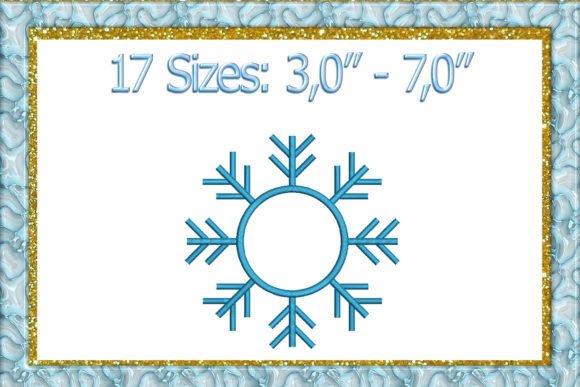
The immediate appeal of this design lies in its structural balance. Unlike standalone snowflakes that can sometimes look isolated or float awkwardly on fabric, this design utilizes a frame concept. This creates a natural boundary that guides the viewer’s eye inward, making it an ideal candidate for monogramming or text integration. The aesthetic is crisp and wintry, evoking a sense of quiet elegance rather than chaotic festivity. For designers, this mood is crucial because it allows the piece to transition from a purely seasonal item to a sophisticated winter decor element.
The detail level appears moderate, which is a significant advantage. Overly intricate snowflakes often suffer from thread breaks or puckering when scaled down, while overly simple ones can look amateurish. This design strikes a middle ground, offering enough geometric interest to feel premium without demanding excessive stitch density that might compromise delicate fabrics.
Real-World Application Scenarios
To truly test a design, I visualize it on specific products. I imagined using the Snowflake Frame Embroidery Design for a custom tote bag design. The frame structure provides a perfect anchor for a customer’s name or a boutique logo in the center. On a canvas tote, the contrast between the white or silver thread and the natural fabric would be striking, creating a high-end handmade product that appeals to holiday shoppers looking for reusable, stylish gift bags.
Another strong use case is sweatshirt embroidery. Placing this design on the left chest of a crewneck sweatshirt offers a subtle, professional look. It avoids the bulkiness of large back prints, making it suitable for everyday wear beyond December. For small shop product lines, this versatility is key. You are not limited to selling a "Christmas shirt"; you are selling a winter staple that remains relevant through January and February.
I also considered its application in baby embroidery. A framed snowflake on a receiving blanket or a burp cloth adds a touch of seasonal charm without being overwhelming. However, this requires careful attention to thread choice. Using soft, pastel threads instead of traditional red and green can soften the look, making it appropriate for newborn gifts that need to feel gentle and timeless.
Technical Performance and Stitching Considerations
From a technical standpoint, the performance of any embroidery file depends on how it interacts with different materials. This design likely employs a mix of satin stitch for the borders and fill stitch or running stitch for the internal snowflake details. When working with textured fabrics like terry cloth towels or fleece blankets, the frame helps contain the design, preventing the stitches from sinking into the pile too deeply. However, I recommend using a cut-away stabilizer for these heavier textiles to ensure the frame maintains its shape over time.
For custom apparel made from thinner materials like cotton tees or linen aprons, the stitch density becomes a critical factor. If the design is too dense, it can cause puckering. I advise testing the design on scrap fabric first, ideally with the same weight and weave as your final project. Check the tension and ensure the thread colors provide sufficient contrast. A low-contrast combination on a dark fabric might render the intricate snowflake details invisible, defeating the purpose of the design.
Curved surfaces, such as caps or hats, present another challenge. While the frame shape is generally stable, placing it on a structured cap requires precise hooping. The symmetry of the snowflake must be perfectly centered, or the visual imbalance will be obvious. For embroidered patch creation, this design works well because the frame acts as a natural border, eliminating the need for additional edging stitches if you plan to cut the patch close to the design.
Commercial Viability and Brand Consistency
For Etsy sellers and craft business owners, the commercial potential of this design is high, provided it is used strategically. The inclusion of multiple formats, including PES, suggests broad compatibility with various machines, which is essential for producers who may switch equipment or outsource production. However, before listing items, verify the license terms. Most digital designers allow the sale of finished physical items but restrict the resale of the digital embroidery file itself.
Using this design in a cohesive collection can enhance brand consistency. Imagine a line of kitchen towels, aprons, and oven mitts all featuring the same Snowflake Frame Embroidery Design in varying sizes. This creates a recognizable signature style that customers can trust. It elevates the perceived value of the finished product, moving it from a generic craft item to a curated home goods collection.
When creating printable mockup images for online listings, ensure the design is photographed in good lighting. The reflective quality of embroidery thread can be difficult to capture, but highlighting the texture and dimensionality of the frame will increase buyer engagement. Show the design on both light and dark backgrounds to demonstrate its versatility.
Practical Designer Notes
- Test on Scrap Fabric: Always run a test stitch-out on the actual fabric you intend to use. This reveals issues with tension, density, and color contrast before you commit to a final product.
- Check Hoop Size: Ensure the design fits comfortably within your machine’s hoop size, leaving adequate margin for stability. Do not push the design to the very edge of the hoop.
- Stabilizer Selection: Match your stabilizer to your fabric. Use tear-away for stable woven fabrics and cut-away for knits or stretchy materials to prevent distortion.
- Thread Contrast: Evaluate the design in black and white mockups to ensure the details remain visible regardless of color choice. High contrast is essential for clarity.
- Licensing Verification: Confirm whether the license permits commercial use for finished goods. Respect intellectual property rights to maintain professionalism in the commercial embroidery industry.
- Detail Inspection: Zoom in on the digital file to check for any jagged edges or unnecessary jump stitches that could affect the final appearance.
In conclusion, the Snowflake Frame Embroidery Design is a versatile asset for designers who understand its structural strengths. It is not merely a holiday decoration but a functional design element that can elevate personalized gift items, boutique branding, and seasonal collections. By paying attention to fabric choice, stabilizer type, and placement, you can transform this digital file into a tangible, high-quality product that resonates with customers seeking warmth and craftsmanship during the winter season.