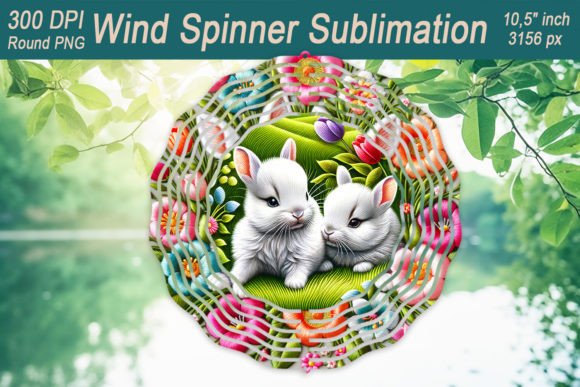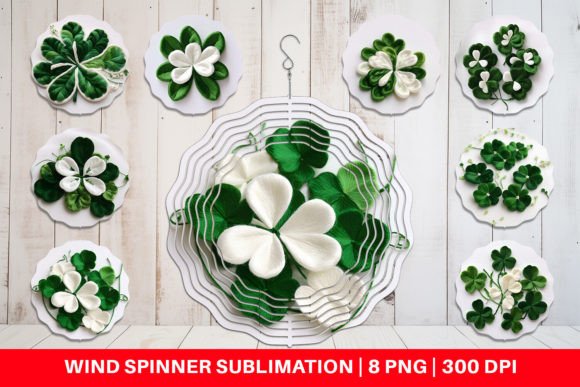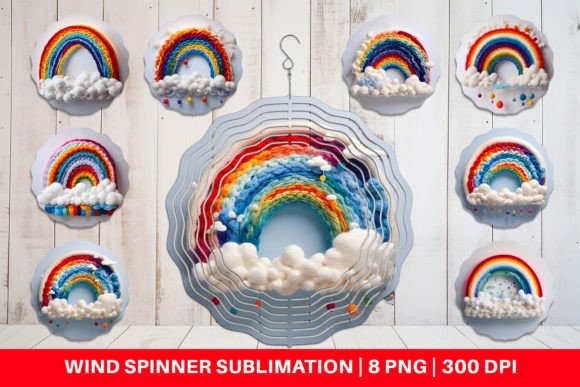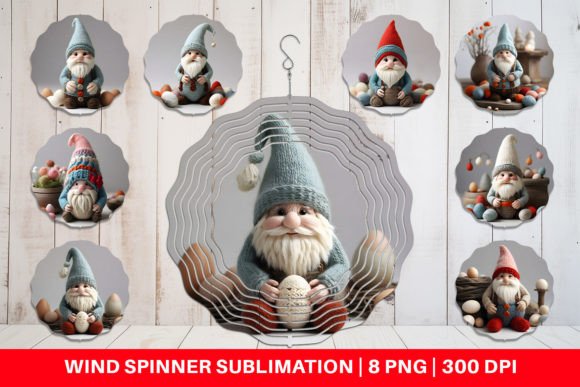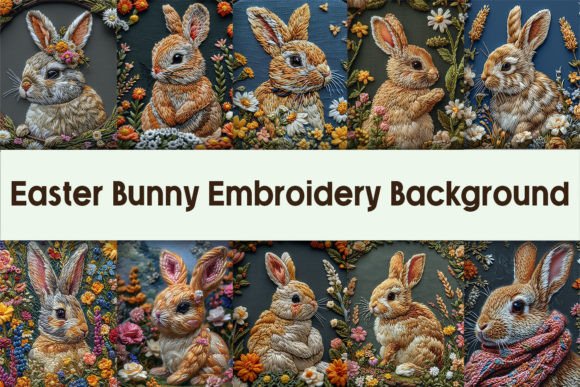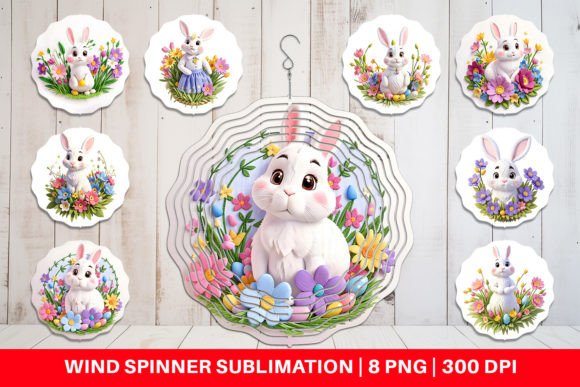
Review: Wind Spinner Bunny Easter Embroidery
As a designer who spends more time staring at stitch simulations than I care to admit, I have developed a keen eye for what translates well from screen to fabric. When I first pulled up the Wind Spinner Bunny Easter Embroidery, my initial reaction was one of cautious optimism. The theme is undeniably seasonal, tapping into the high-demand spring market, but thematic relevance alone does not make a viable machine embroidery design. I needed to know if the lines were clean, if the density was manageable, and if it would hold up under the scrutiny of a paying customer.
I approached this review with a specific project in mind: a custom linen tote bag for a local boutique’s spring collection. This is a common request for Etsy sellers and craft business owners, where the margin for error is slim. A sloppy stitch-out on a premium fabric can ruin the perceived value of the entire handmade product. Here is my practical breakdown of how this design performs in a real-world studio environment.
First Impressions and Visual Personality
The aesthetic of the Wind Spinner Bunny Easter Embroidery leans into a whimsical, kinetic energy. Unlike static bunny silhouettes, this design implies motion, which is a clever way to capture attention on a crowded craft fair table or a digital storefront. The layout feels balanced, avoiding the heavy-handed symmetry that often makes embroidered items look dated. For digital embroidery file collectors, this kind of dynamic composition is valuable because it breaks the monotony of standard holiday motifs.
From a visual standpoint, the design creates a mood of playful elegance. It is not overly childish, which expands its potential audience. You could easily position this on adult custom apparel, such as a lightweight cardigan or a structured shirt, without it feeling out of place. This versatility is crucial for small shop product lines that need to appeal to a broad demographic during the short Easter sales window.
Real-World Application: The Tote Bag Test
To test the viability of this design, I simulated its placement on a medium-weight canvas tote. This is a staple item for embroidery projects because the fabric is stable and forgiving. The Wind Spinner Bunny Easter Embroidery sat well within a standard 5x7 hoop, leaving ample room for personalization. For personalized gift seekers, adding a monogram below the bunny is a natural upsell opportunity.
The stitching clarity was impressive in this context. The transition between the different elements of the spinner mechanism appeared smooth. When working with thread colors, I found that high-contrast combinations worked best. Using a pastel thread on white canvas looked delicate, while bold primary colors gave the design a pop-art feel. This adaptability allows apparel decorators to tailor the look to their specific brand identity.
However, the real test came when considering sweatshirt embroidery. On a fleece background, the details need to be robust enough not to get lost in the pile. I recommend reviewing the stitch types closely. If the design relies heavily on fine running stitch details, they may sink into textured fabrics. In such cases, using a cutaway stabilizer is non-negotiable to maintain the integrity of the shape.
Technical Considerations for Stitching
Every designer knows that a pretty preview does not guarantee a clean stitch-out. When evaluating the Wind Spinner Bunny Easter Embroidery, I paid close attention to the potential for thread breaks and nesting. Complex shapes with tight curves can cause tension issues if the stitch density is too high. While I do not have the exact technical specifications from the provider, my advice is to always run a test on scrap fabric identical to your final material.
If you are planning to use this on stretchy fabrics, such as jersey knits for baby embroidery items, extra caution is required. The kinetic nature of the design means there are likely overlapping elements. On stretchy material, these areas can pucker if not properly stabilized. I strongly suggest using a hooped stabilizer and possibly a topping if you are working with minky or terry cloth. This ensures that the finished product looks professional and durable.
For those interested in applique design techniques, check if the file includes an applique version. If it is a standard fill stitch design, consider whether adding fabric layers might enhance the texture. However, since the product description mentions sublimation backgrounds, it is possible this is intended for mixed-media projects. Always confirm if the embroidery file is compatible with your specific machine software before purchasing.
Navigating Fabric and Hoop Constraints
Not every surface is suitable for this design. While it shines on flat, stable surfaces like tote bags and pillow covers, curved surfaces present challenges. Embroidering this on a cap or hat would require careful centering and potentially resizing to fit the limited front panel area. The intricate parts of the wind spinner might distort if the hoop tension is not perfectly adjusted.
Dark fabrics also require strategic planning. If the design uses light threads, ensure that the underlying fabric does not show through the stitches. This is where fill stitch coverage becomes critical. If the density is too low, the dark background will peek through, ruining the visual appeal. Conversely, if the density is too high, you risk creating a stiff, cardboard-like patch on your garment. Balancing this is key to maintaining the soft drape of the fabric.
For holiday embroidery collections, consistency is vital. If you are creating a series of items, ensure that the Wind Spinner Bunny Easter Embroidery scales well alongside other designs in your lineup. It should not look disproportionately large or small when viewed next to complementary motifs. This attention to detail enhances brand consistency and builds customer trust.
Commercial Viability and Licensing
For commercial embroidery professionals, the question of licensing is paramount. The product description notes a love for sublimation and getting work out there, but it lacks explicit terms for commercial use of the embroidery file itself. Before selling design assets or finished goods featuring this design, you must contact the creator to clarify usage rights. Never assume that a purchase includes a commercial license for physical products or digital resale.
Assuming proper licensing is secured, this design has strong potential for printable mockup creation. High-quality visuals are essential for online sales. Use the design to create realistic previews for your Etsy listings. Show the bunny on various items—aprons, tea towels, and nursery decor—to help customers visualize the end result. This reduces hesitation and increases conversion rates.
The Graphics category mention in the product details suggests that this might also be available as a digital print element. If you are a multi-disciplinary creator, you could combine the embroidered element with printed text for a hybrid look. This approach adds value to your Crafts offerings and distinguishes your products from competitors who rely solely on standard embroidery.
Final Verdict for Designers
The Wind Spinner Bunny Easter Embroidery is a solid addition to any spring-themed library, provided you respect its technical requirements. It offers a fresh take on a traditional motif, with enough complexity to look premium but enough simplicity to stitch reliably. For hobbyists and makers, it provides a satisfying project that yields impressive results. For creative entrepreneurs, it offers a versatile asset that can drive sales across multiple product categories.
My final advice is to treat this design with the same rigor you would apply to any high-stakes client project. Test your tension, choose your stabilizer wisely, and verify your licensing. When executed with care, this design will not just decorate a product; it will elevate the perceived quality of your entire brand. It is a reminder that in the world of embroidery, the difference between good and great often lies in the details of execution.