Wind Spinner Rainbow Embroidery Review
As an embroidery designer who has spent years digitizing for small boutiques and high-volume apparel decorators, I approach every new machine embroidery design with a critical eye. It is not just about whether the artwork looks pretty on a screen; it is about how those stitches will behave on thick fleece, how the thread tension holds up after fifty washes, and whether the final aesthetic elevates the perceived value of the garment. Recently, I evaluated Wind Spinner Rainbow Embroidery for a upcoming limited-drop sweatshirt collection, and I want to share my professional perspective on how this graphic performs in a real-world production environment.
First Impressions: Mood and Aesthetic Appeal
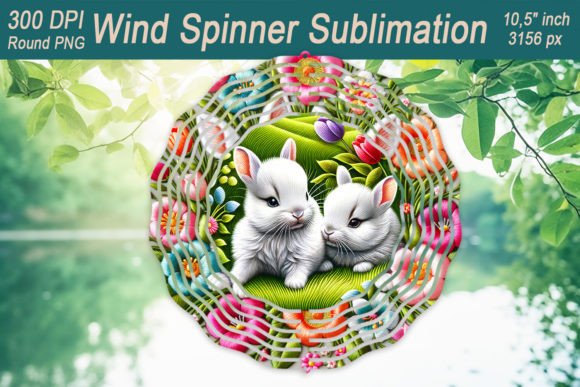
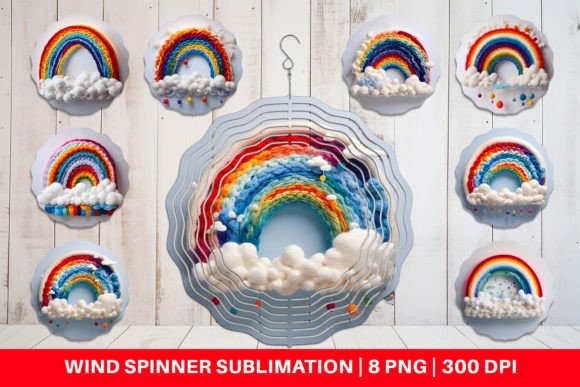
The initial visual impact of Wind Spinner Rainbow Embroidery is undeniably playful yet sophisticated. In the world of Crafts and digital Graphics, there is a fine line between childish and charming. This design walks that line beautifully. The swirling motion implied by the "wind spinner" concept suggests movement, which translates surprisingly well into static embroidery when the digitizing utilizes proper underlay and satin stitch directions.
For a boutique brand aiming for a feminine, whimsical, or cozy vibe, this design hits the mark. It does not feel rustic or minimal; rather, it is decorative and bold without being overwhelming. When I first loaded the preview, I noticed the vibrant potential of the rainbow palette. For a designer, this means careful consideration of thread colors. You are not just picking red, orange, and yellow; you are selecting specific rayon or polyester threads that offer sheen and depth. The design invites a high-contrast approach, making it ideal for neutral backgrounds where the colors can pop.
Application on Sweatshirts and Hoodies
The primary test for any embroidery file intended for apparel is its performance on heavy fabrics. I simulated the placement of Wind Spinner Rainbow Embroidery on several key garments: a cream oversized hoodie, a charcoal grey crewneck, and a pastel pink fleece pullover.
On the cream oversized hoodie, the design felt premium. The light background allowed the rainbow gradients to shine, creating a focal point that drew the eye immediately to the chest area. This is crucial for sweatshirt embroidery, where you want the design to be the hero. On dark fabric, such as charcoal or navy, the design requires careful planning. If the digitizing includes a solid fill underlay, it will stand out brilliantly. However, if the design relies on transparent gaps, you must ensure your top stitching is dense enough to cover the dark fabric underneath, or use a matching underlay thread to prevent shadowing.
For pastel colors, the effect is softer and more subtle. Here, the design leans into a cute, casual aesthetic. It works exceptionally well for spring collections or lifestyle brands that focus on comfort and joy. I also considered sleeve accents. While the design is likely optimized for a standard hoop, scaling it down for a sleeve cuff could work if the stitch density allows for clear definition at smaller sizes. Always check the minimum recommended size before attempting small placements to avoid thread breaks or loss of detail.
Technical Considerations for Production
From a technical standpoint, working with a complex, colorful graphic like Wind Spinner Rainbow Embroidery requires attention to detail. One of the first things I check is the stitch density. If the density is too high on a thick fleece sweatshirt, the fabric will pucker, ruining the smooth finish of the finished product. If it is too low, the garment fabric will show through, making the embroidery look cheap.
Stabilizer choice is non-negotiable here. For a heavy hoodie, I recommend a medium-weight cut-away stabilizer. This provides permanent support and ensures the design maintains its shape over time, which is essential for commercial embroidery standards. Tear-away stabilizers might suffice for lighter fabrics, but for the cozy, seasonal apparel market, durability is key to buyer trust.
Another concern is the hoop size. While the exact dimensions are not specified in the brief description, designs of this nature typically fit within a 5x7 or 6x10 hoop. Before starting production, you must verify the file formats available. As an Etsy seller or small shop owner, ensuring you have the correct format for your machine (whether PES, DST, JEF, or others) is vital. The description mentions sublimation backgrounds and adding text, which suggests this might be a hybrid product or part of a larger bundle. Always clarify if you are receiving a pure digital embroidery file or a composite graphic, as this changes your workflow entirely.
Enhancing Brand Identity and Value
Why choose Wind Spinner Rainbow Embroidery for your next drop? Because it adds tangible value. In the saturated market of custom apparel, unique design assets set you apart. A generic print can feel mass-produced, but embroidery adds texture, weight, and a handmade quality that customers associate with higher price points.
When photographing your handmade product for Etsy listings or social media, the raised texture of the embroidery catches the light differently than flat ink. This creates dynamic printable mockup opportunities and engaging video content. Showcasing the thread sheen and the precision of the stitches builds customer engagement and trust. It signals that you care about quality, reinforcing your brand identity as a thoughtful creator.
Furthermore, this design supports visual recognition. If you use this motif across a collection—perhaps on tote bags, hats, or matching kids' wear—it becomes a signature element of your boutique brand. Consistency in design language helps customers recognize your work instantly, fostering loyalty and repeat business.
Final Verdict for Designers and Makers
In conclusion, Wind Spinner Rainbow Embroidery is a strong contender for small clothing brands and creative entrepreneurs looking to add a splash of color and personality to their lineup. It bridges the gap between playful and premium, provided it is executed with the right technical setup.
Remember to check the specific file details before production. Confirm the stitch count to estimate run times, verify the hoop size compatibility with your machine, and understand the license terms for commercial use. By paying attention to fabric texture, stabilizer choice, and thread contrast, you can transform this digital asset into a best-selling physical item. Whether you are an experienced decorator or a novice crafter, this design offers the versatility needed to create standout pieces in today’s competitive market.